The library
Fifty starting points. Pick the shape, not the colour.
Each one is a real page, not a picture of a page. What you are choosing is the structure: which sections exist, in what order, and where the thing you want a visitor to do sits. The colours, the images and every word will be yours.
These are designs, not case studies
None of them is a site we built for a client. They are the starting points we build from, shown so you can choose one before you pay rather than after.- Designs
- 50
- Families
- 8
- Sections used
- 509
- Colourways each
- 3
01
Single-page conversion launch
A single page built around one countable action. Right when a business has one offer, one campaign or one launch date, and wrong the moment it needs to explain more than one thing.
What every one of these shares
One route, no content management, no sign-in and nothing stored on a server we own. Navigation is anchor scrolling within the page. There is exactly one form, or one tracked outbound click, posting to the client's own mailing or CRM webhook. Analytics and conversion pixels are consent-gated. Hosted as static files on a CDN against a sub-one-second largest-contentful-paint budget. Every member ships the same component kit and differs only in copy, imagery and the type and colour tokens.

SaaS product launch page
$1,000One page whose only job is to start a free trial.
Visitor does
Click the trial button and arrive on the product's own signup route with the plan already selected.11 sections
Mobile app launch page
$1,000Everything above the store badge, and nothing after it.
Visitor does
Tap an App Store or Google Play badge, recorded as one install-intent event before the page hands over.10 sections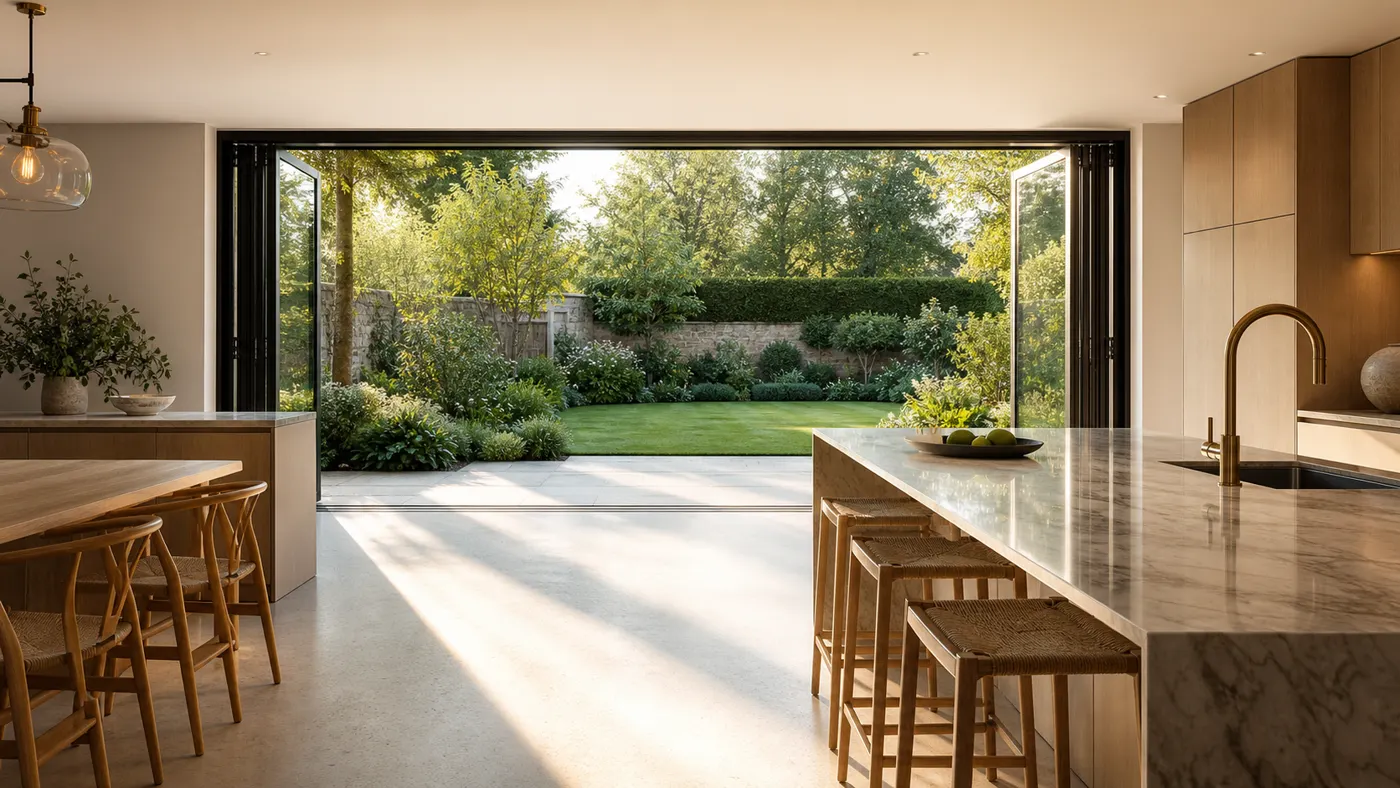
AI tool early-access waitlist
$1,000A product that does not exist yet, sold on the strength of one email field.
Visitor does
Submit an email address into the waitlist form.10 sectionsAuthor book launch page
$1,000Cover, premise, endorsements, and a straight line to the retailer.
Visitor does
Click through to a retailer's buy page, recorded as an outbound purchase-intent click naming that retailer.9 sections
Live webinar or masterclass registration
$1,000A date, a promise and a two-field form.
Visitor does
Submit the registration form with a name and a work email address.10 sections
Online course pre-launch waitlist
$1,000Collect the list before you build the course.
Visitor does
Submit an email address to join the early-bird list.10 sectionsSolar, windows or roofing quote page
$1,000Paid traffic in, quote requests out.
Visitor does
Submit the quote form with a postcode and one way to make contact.10 sections
02
Local service brochure
The whole of a local business, explained across a handful of pages, for somebody comparing three names they found on a map and deciding which one to ring.
What every one of these shares
Five to eight static routes generated from one template set: home, about, services index, three to six service detail pages, service area, reviews and contact. Every member ships the same integrations - a quote form posting to email and to a CRM webhook, click-to-call and tap-to-map on mobile, an embedded map, a third-party review widget reading from Google or Trustpilot, LocalBusiness and Service structured data, and a per-town page generator for local search. No login, and the site itself stores no records.

Plumbing and HVAC contractor
$2,000A phone number, a response time and enough proof to dial it.
Visitor does
A visitor taps the call button and the tel: link fires as a tracked call event.10 sections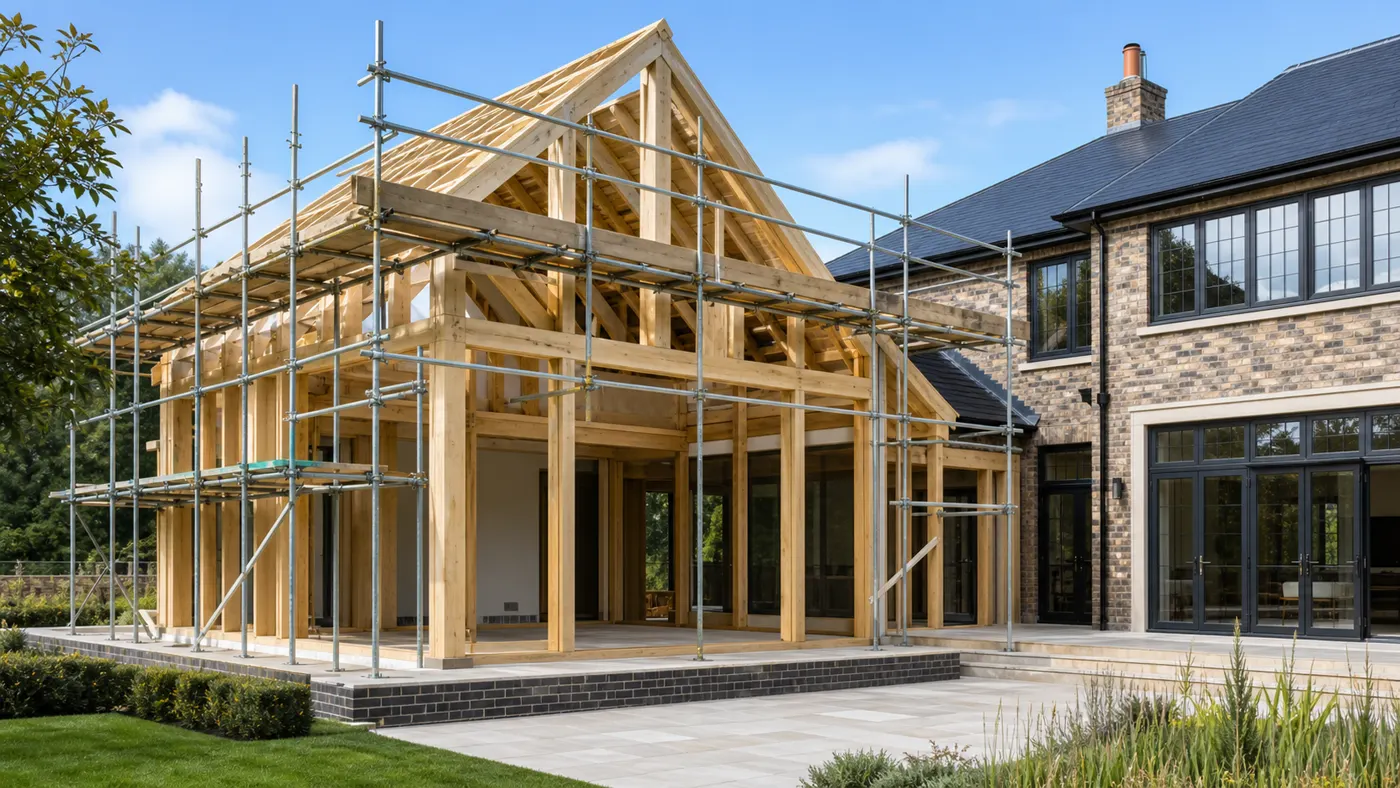
Construction and renovation firm
$2,000Three finished buildings and the paperwork that says you can be trusted with a fourth.
Visitor does
A visitor submits the project enquiry form with a budget band and a target start date selected.10 sections
Landscaping and garden design
$2,000Gardens photographed in the month they were photographed.
Visitor does
A visitor submits the free design consultation request with a postcode and an approximate garden size.11 sections
Auto repair garage
$2,000Published prices, real hours, and a booking request that admits it is a request.
Visitor does
A visitor submits the service booking request naming the vehicle and the work wanted.10 sectionsAccountancy and bookkeeping practice
$2,000Fixed fees, the next deadline, and how switching actually works.
Visitor does
A visitor submits the discovery call enquiry, naming the service they need.11 sections
Family law firm
$2,000Quiet, plain about money, and easy to leave in one tap.
Visitor does
A visitor submits the confidential case enquiry form.10 sectionsIndependent insurance broker
$2,000One argument, made properly: a person, not a comparison site.
Visitor does
A visitor submits the quote comparison request with one policy type selected.11 sections
03
Editorial and authority publication
For a business whose authority is its published work. The site exists to be added to every week, so the client edits it themselves, and the whole structure is built around one collection of articles that keeps growing after we have gone.
What every one of these shares
One long-lived content collection driven by a CMS the client edits, plus its taxonomy of categories, tags and author profiles, rendered statically and rebuilt on publish. Every member ships the same integrations: a client-side search index, newsletter capture handed to a mailing tool with double opt-in, RSS, sitemap and Article structured data, share and preview metadata, sponsor and partner slots, and at most one embedded third-party donation or subscribe widget that stores nothing here. No visitor accounts and no comment system owned by the site.
Trade industry news magazine
$2,500The title an industry reads on a Monday morning.
Visitor does
A reader subscribes to the weekly newsletter and clicks the confirmation link in the opt-in email.10 sections
Recipe and food blog
$2,500A recipe collection people cook from and come back to.
Visitor does
A visitor submits their email address to the recipe newsletter and confirms it from the opt-in email.9 sections
Personal finance creator blog
$2,500One writer, a body of guides, and the list that pays for them.
Visitor does
A visitor submits their email address to receive the budget template and confirms it from the opt-in email.10 sections
Management consultancy insights site
$2,500Published thinking that ends in a conversation.
Visitor does
A visitor submits the consultation request form, naming the problem they want to discuss.10 sectionsChurch and congregation site
$2,500For the person deciding whether to walk in on Sunday.
Visitor does
A first-time visitor submits the plan your visit form naming the service date they intend to come to.11 sectionsCharity and advocacy nonprofit
$2,500A case for support that ends in a completed donation.
Visitor does
A visitor completes a donation inside the embedded giving widget and reaches its thank-you screen.10 sections
04
Visual portfolio and case study
For businesses whose work is the argument. The visitor is persuaded by looking, so the page is mostly pictures at full size, and everything else exists to get them from the last one into the enquiry form.
What every one of these shares
An owner-editable collection of media-heavy items - projects, shoots, builds, works - all rendered through one detail template, plus a responsive image pipeline with AVIF and WebP and blur-up placeholders, lightbox galleries, embedded video, a filterable category grid, and a single enquiry form. Optional host-level password protection on individual gallery routes. No visitor accounts, and nothing stored on behalf of a visitor. Members differ in grid density, type scale and motion character, not in code.

Wedding photographer
$2,500Enough of one wedding that a couple can picture their own.
Visitor does
A visitor submits the enquiry form with a wedding date and a venue filled in.10 sections
Architecture studio
$2,500Built work, by typology, with the enquiry one scroll away.
Visitor does
A visitor submits the project enquiry form naming a site and a project type.10 sections
Interior design studio
$2,500Rooms before and after, then the fee to begin.
Visitor does
A visitor submits the consultation enquiry form for a named property or space.10 sections
Creative branding agency
$2,500Case studies that lead with the number, not the process.
Visitor does
A visitor submits the start-a-project brief form with a budget band selected.10 sectionsFilm and video production company
$2,500The reel first, then the formats you actually shoot.
Visitor does
A visitor submits the project brief form naming a format and a delivery date.10 sectionsFine artist and illustrator
$2,500The work at full size, with the dimensions beside it.
Visitor does
A visitor submits the availability enquiry for one specific named work.10 sections
05
Booking and scheduling
Seven businesses whose website is the diary. A visitor picks a real slot against real availability, the slot is held, and the staff see it in the console they already watch. Everything else on the page exists to move somebody to that calendar with enough confidence to commit to a date.
What every one of these shares
The site owns the booking data. One schema across every member: resources (staff, chairs, rooms, tables, class slots), services carrying a duration and a price, availability rules with blackout dates, booking records and customer records. One integration set: card deposits and no-show fees, two-way Google and Outlook calendar sync, SMS and email reminders, self-serve cancel and reschedule links, a staff admin console, timezone and locale handling, and consent or intake capture attached to the booking.

Dental clinic
$10,000Appointments booked without a phone call, including the ones made at eleven at night.
Visitor does
A visitor completes an online appointment booking and receives a confirmation naming the date, time and clinician.10 sections
Hair salon and barbershop
$10,000Book the stylist, hold the chair, take the deposit.
Visitor does
A visitor completes a booking with a named stylist and pays the deposit.10 sections
Day spa and massage studio
$10,000A treatment menu that ends in a held slot and a paid deposit.
Visitor does
A visitor completes a treatment booking and pays the deposit.10 sectionsBoutique fitness studio
$10,000A live timetable with the last two spaces showing.
Visitor does
A visitor reserves a place in a named class on a specific date in the timetable.11 sections
Psychotherapy and counselling practice
$10,000A quiet page that makes a first appointment easy to make.
Visitor does
A visitor books an initial consultation slot and submits the intake form.10 sections
Restaurant with online reservations
$10,000The table booked from the page that made somebody hungry.
Visitor does
A visitor completes a table reservation for a date, time and party size.10 sections
Boutique hotel or guesthouse
$10,000Direct bookings taken back from the travel agents.
Visitor does
A visitor completes a room booking for chosen dates with a card guarantee.10 sections
06
Transactional e-commerce storefront
Six shops that sell very different things and are built on one commerce engine. Choosing between them is choosing what a visitor has to be told before they will buy: a size chart, a roast date, an ingredient list, a delivery lead time, a ring size, or a licence number.
What every one of these shares
Product catalogue with variants, stock levels and media; cart and checkout on Stripe or Shopify; tax and shipping rules by zone; customer accounts with order history; transactional order and fulfilment email; discount codes; a returns request route; a product feed for Google and Meta shopping; abandoned-basket recovery. Every member is that same engine at a different merchandising density, wearing different tokens.

Fashion and apparel boutique
$10,000The campaign sells the season, the size guide stops the returns.
Visitor does
Complete checkout on an order containing at least one item.10 sections
Specialty coffee roaster with subscriptions
$10,000Sells a habit rather than a bag, so the builder is the page.
Visitor does
Complete checkout on a recurring subscription or a one-off bag order.10 sections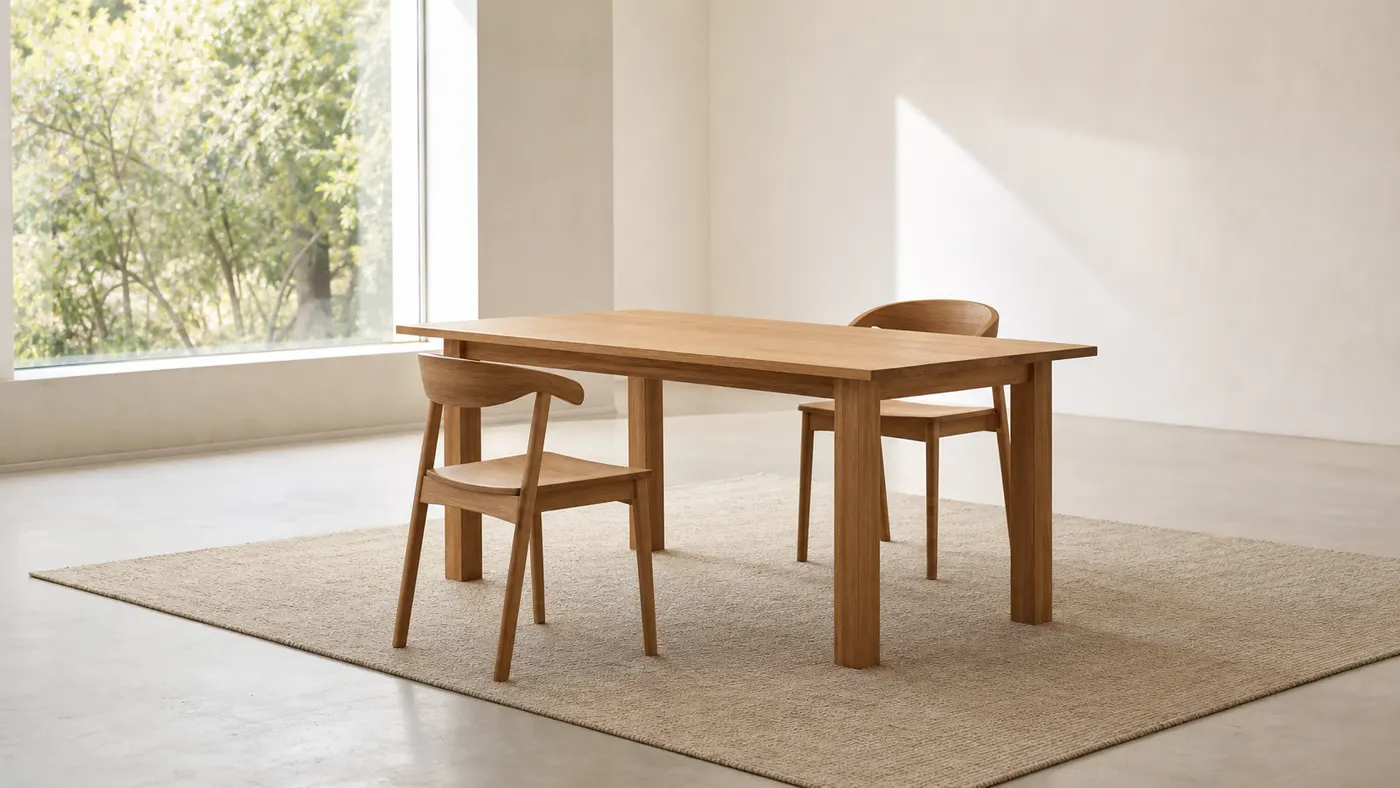
Skincare and cosmetics DTC brand
$10,000Claims that survive scrutiny, sitting next to an add to basket.
Visitor does
Complete checkout on an order containing at least one product.10 sectionsFurniture and homeware store
$10,000Room sets sell the idea, dimensions and lead times close the sale.
Visitor does
Complete checkout on an order containing at least one item.10 sectionsArtisan jewellery studio
$10,000One maker, a small collection, and a bespoke route that qualifies before it quotes.
Visitor does
Complete checkout on a piece from the collection.10 sections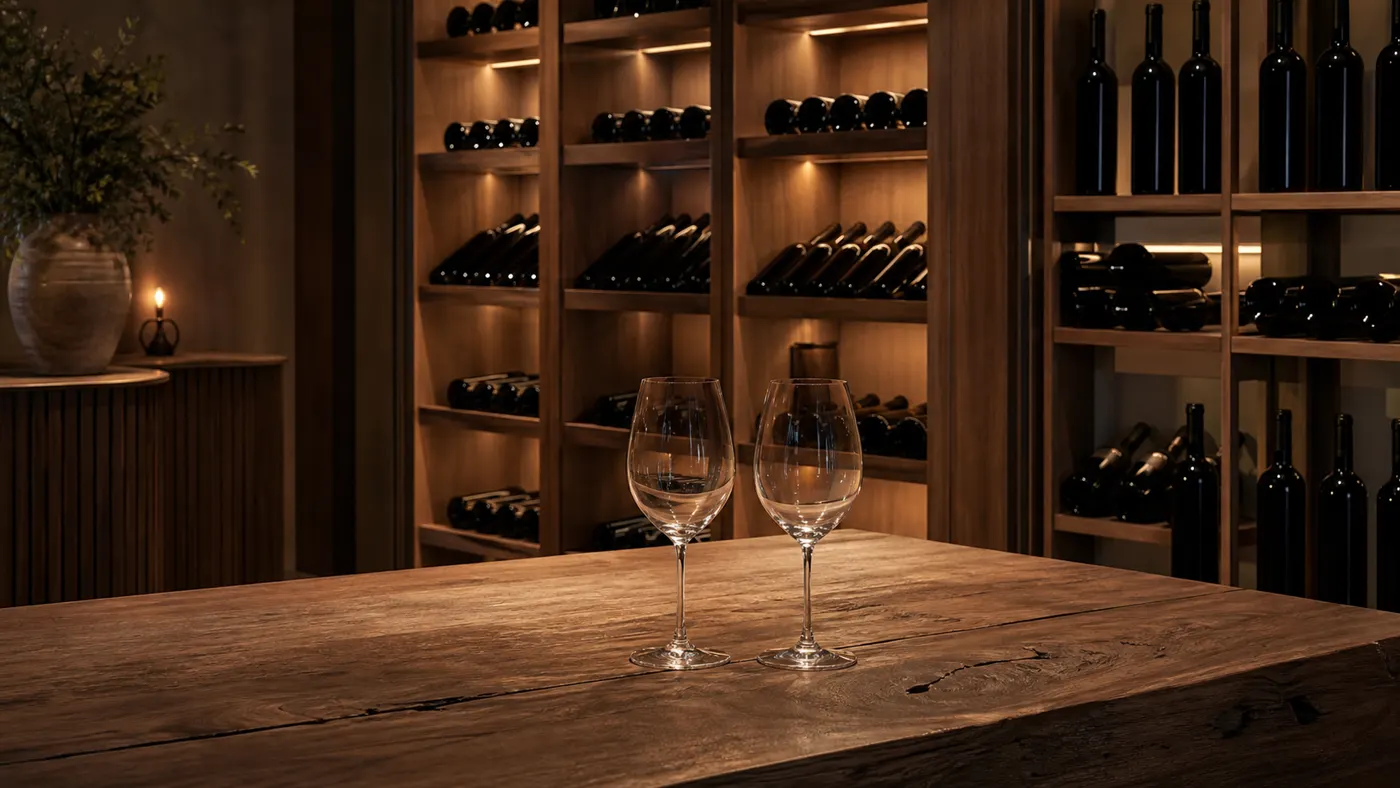
Wine and craft spirits retailer
$10,000An age gate, a mixed case, and enough tasting notes to carry the price.
Visitor does
Complete checkout on a bottle or case order after passing the age gate.10 sections
07
Membership and gated access
Sites where paying changes what the page shows. The public pages sell entry, and everything past the door is stored, tracked and billed again next month, which is why this family is quoted rather than priced.
What every one of these shares
Email and social sign-in with roles; recurring subscription billing through Stripe Billing with an entitlement check on every gated route; a content library of video, lessons and files with per-user progress and bookmarks; a member profile; lifecycle email covering welcome, failed payment, renewal and win-back; an admin publishing console; and signed-URL video hosting through Mux or Vimeo. Whether a given item is free or paid is a configuration flag, not a rebuild.
Online course academy
QuotedSell the course, then get the buyer into lesson one.
Visitor does
A visitor completes the first lesson of a course they have paid for.10 sectionsPaid newsletter and research membership
QuotedFree issues that earn the paid ones.
Visitor does
A reader opens a members-only article on a subscription they have just paid for.10 sections
Professional association or trade body
QuotedGrades, dues and renewals, run properly.
Visitor does
An applicant pays the first year of dues at the end of the membership application.10 sectionsFitness and nutrition coaching membership
QuotedA programme somebody pays for again next month.
Visitor does
A new member finishes the onboarding assessment on a paid coaching plan.10 sectionsPrivate community and mastermind
QuotedA room people apply to get into.
Visitor does
An accepted applicant completes paid checkout for their first term of membership.10 sectionsNiche streaming video library
QuotedA library people keep coming back to.
Visitor does
A new subscriber plays a full-length title for at least ten minutes.10 sections
08
Searchable listings directory
For businesses whose value is other people's records made findable. A visitor arrives to locate one listing among thousands, and the money is in the enquiry that reaches its owner.
What every one of these shares
Typed listing records with faceted search and a geographic query; listing owners who submit and edit through a moderation queue; featured and paid placement billed on Stripe; saved searches with email alerts; a lead routed from a listing page to whoever owns that listing; one indexable page per listing with a partitioned sitemap; and an import pipeline for third-party feeds.
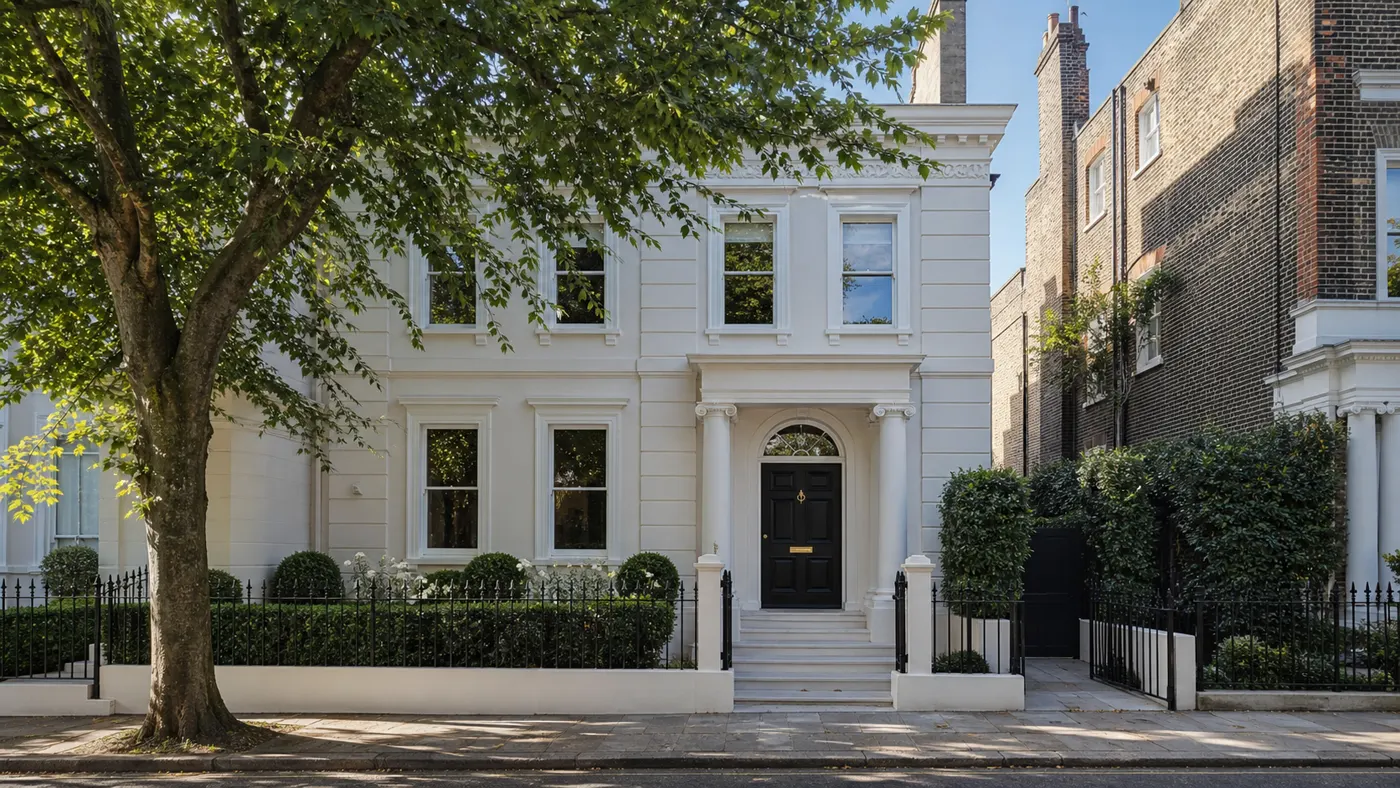
Estate agency with property search
QuotedStock a buyer can actually filter, and a viewing request on every property.
Visitor does
A visitor submits a viewing request against one specific property listing.11 sections
Recruitment agency job board
QuotedEvery vacancy findable, and an application that survives being done on a phone.
Visitor does
A candidate submits an application with a CV attached against one specific job listing.11 sections
Car dealership inventory site
QuotedStock listed honestly, with an enquiry attached to one specific car.
Visitor does
A visitor submits a reservation or enquiry on one specific vehicle in stock.11 sectionsCity guide and local business directory
QuotedA directory people search, and businesses pay to sit near the top of.
Visitor does
A business owner submits or claims a listing and selects a paid placement tier.11 sectionsWedding supplier directory
QuotedCouples search by category and county, then enquire from the listing itself.
Visitor does
A couple sends an enquiry to a supplier from that supplier's own listing page.11 sections